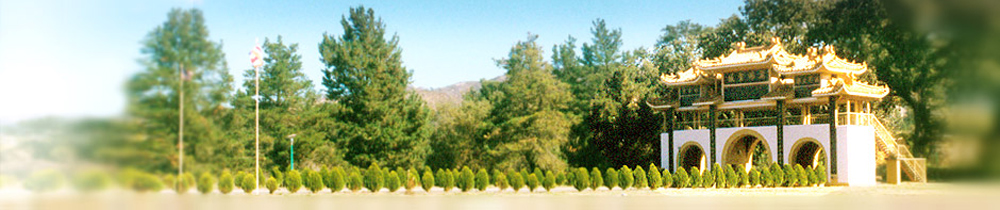
葉親儀 2026年5月29日晚間講於萬佛聖城大殿
此次萬佛寶懺法會,個人十分感恩能有因緣參加。親儀在法會期間,認識一位來自大陸的居士。她提到,在當地很難遇到有拜萬佛寶懺的道場,此次聽聞美國萬佛城舉辦萬佛寶懺法會,便特地從大陸飛來美國參加。由此可見,能夠聽聞並禮拜《佛說佛名經》,實非輕而易舉之事,必須累劫深植善根,今生才能遇到這部經,並得以受持禮拜。親儀能在這莊嚴肅穆的大殿中,在法音繚繞之下參加萬佛寶懺法會,內心實在充滿感恩。
I am very grateful for the opportunity to participate in the Ten Thousand Buddhas Jeweled Repentance Dharma Assembly this year. During the assembly, I met a laywoman from China. She shared that it is very difficult to find a monastery there that holds the Ten Thousand Buddhas Jeweled Repentance, so when she heard that the City of Ten Thousand Buddhas was hosting this Dharma Assembly, she specially traveled all the way to the United States to attend. This made me realize that encountering and bowing to the Buddha Proclaims the Buudhas’ Names Sutra is truly not easy. It requires deep wholesome roots cultivated over countless lifetimes in order to encounter this sutra. Being able to bow in the solemn Buddha Hall, surrounded by the sound of Dharma filled my heart with gratitude.
親儀在禮拜《佛說佛名經》時,讀到經文中敘述許多受持佛名號的殊勝功德,深感不可思議,也為諸佛廣大的慈悲願力而歡喜讚歎。只要眾生聞佛名號、受持禮拜,便能獲得種種利益。譬如:
「南無無邊無垢佛:若有善男子、善女人,聞此如來名者,是人非於一佛所種諸善根,亦非十佛所種諸善根,是人乃於百千萬佛所種諸善根,是人超越世間四十八劫。」
「南無妙身佛:若人聞彼佛名,至心敬禮,讀誦、受持,是人決定遠離一切諸障,不入惡道,超越世間無量劫。」
在經文中提到,只要聞佛名號,便能不墮惡道、種下無量無邊的菩提善根、得阿耨多羅三藐三菩提,甚至超越無量劫很長的時間。這些皆是諸佛甚深不可思議的功德。我們今日能禮拜諸佛,不但能消除無量劫來的罪障,更能成就無上菩提。因此,上人曾在開示中提到:「過去諸佛拜《萬佛懺》,現在諸佛拜《萬佛懺》,未來諸佛也都是拜《萬佛懺》而成就的。」《萬佛懺》的力量,實在不可思議。
While bowing to the Buddha Proclaims the Buudhas’ Names Sutra, I read passages describing the inconceivable merit and virtue gained from upholding the Buddhas’ names. I deeply felt how extraordinary these teachings are, I truly rejoiced in and praised the vast compassionate vows of all Buddhas. Simply by hearing the Buddhas’ names, receiving and upholding them, and bowing in reverence, living beings can obtain many kinds of benefits. For example:
“Namo Boundless and Without Defilement Buddha: If a good man or good woman hears the name of this Thus Come One, that person has not merely planted good roots before one Buddha, nor merely before ten Buddhas, but has planted good roots before hundreds of thousands of myriads of Buddhas. That person transcends forty-eight kalpas of worldly existence.”
“Namo Wonderful Body Buddha: If a person hears that Buddha’s name and, with utmost sincerity, reverently bows, recites, and upholds it, that person will definitely leave all obstacles far behind, will not enter the evil paths, and will transcend measureless kalpas of worldly existence.”
The sutra states that merely hearing the Buddhas’ names enables one to avoid the evil destinies, plant limitless Bodhi good roots, attain Anuttarasamyaksambodhi, and even transcend measureless kalpas. All these are the profound and inconceivable merits and virtues of the Buddhas. By bowing to the Buddhas, not only can we eradicate karmic offenses accumulated throughout measureless kalpas, but we can also accomplish unsurpassed Bodhi. Therefore, the Venerable Master once said in a Dharma talk: “The Buddhas of the past bowed the Ten Thousand Buddhas Repentance; the Buddhas of the present bow the Ten Thousand Buddhas Repentance; the Buddhas of the future also accomplish Buddhahood through bowing the Ten Thousand Buddhas Repentance.” The power of this Repentance is truly inconceivable.
在懺本中,會標示已禮拜多少尊佛。雖然整部經共計一萬一千拜,但大家是否曾想過,經中是否只有一萬一千尊佛?而且是否每一拜只禮一尊佛呢?
親儀在禮拜時,發現實際所禮拜的佛,遠遠超過這個數字。不知大家是否注意到,經文中有許多「同名佛」?例如:「南無八十千億同名然燈佛」、「南無八十億那由他同名釋迦牟尼佛」、「南無一萬八千同名娑羅王佛」等等。有時一拜之中,實際是在禮敬無量無邊的同名諸佛。凡同名佛,我們皆一心恭敬頂禮。
更令親儀讚歎的是,釋迦牟尼佛在宣說這部經中的佛名時,早已明了有多少同名佛,並能一一宣說:「十八億同名日月燈佛」、「十千同名滿足佛」等等。佛陀無需靠任何計算工具,也無需依靠任何科技或人工智能,全然是無上智慧從自性自然流露。若有人問我,在聖城裡,有多少人同名叫麥可或叫艾米,我可能都無法回答;更何況是無量無邊恆河沙世界中的諸佛名號,而佛陀悉知悉見。
Within the repentance text, the number of Buddhas were indicated. Although the entire sutra contains a total of eleven thousand bows, have we ever considered whether the sutra contains only eleven thousand Buddhas? Does each bow pay homage to only one Buddha?
While bowing, I realized that the actual number of Buddhas being bowed to, far exceeds this number. I wonder whether someone noticed that throughout the sutra there are many “Buddhas of the same name”?
For example: “Namo Eighty Thousand Kotis of Buddhas with the Same Name, Burning Lamp Buddha,” “Namo Eighty Nayutas of Buddhas with the Same Name, Shakyamuni Buddha,” or “Namo Eighteen Thousand Buddhas with the Same Name, Sala King Buddha.” At times, within a single bow, we actually paying reverence to immeasurable and boundless Buddhas of the same name. For all Buddhas sharing the same name, we single-mindedly and respectfully bow in homage to them all.
What made me even more worthy of praise is that, when Shakyamuni Buddha proclaimed the names of the Buddhas in this sutra, he already knew exactly how many Buddhas shared each name and was able to proclaim them one by one: like “Eighteen Kotis of Buddhas with the Same Name, Sun-Moon-Lamp Buddha,” “Ten Thousand Buddhas with the Same Name, Fulfillment Buddha,” and so forth. The Buddha does not need any calculating devices, nor any technology nor AI. This was entirely the natural outflow of unsurpassed wisdom from his own self-nature. If someone were to ask me how many people at the CTTB share the same name, called Michael or called Amy, I probably could not answer. How much less could one know the names of all Buddhas throughout limitless worlds as numerous as the Ganges’ sands? Yet the Buddha knows and sees them all completely.
接下來,想分享親儀拜懺時的體會。經中提到如此多的佛名,然而自己卻生於末法時代,無緣親聞佛陀說法,深感福德不足,因此也懺悔自己生於佛前佛後。
Next, I would like to share some reflections regarding repentance. The sutra mentions so many Buddhas’ names, yet I myself was born in the Dharma-Ending Age and lack the blessings to personally hear the Buddha speak the Dharma. Because of this, I deeply repent for having been born before or after the Buddha’s time.
在拜懺期間,不知大家是否會經歷許多迴光返照、自我觀照的過程?弟子親儀很慚愧、也誠心懺悔,發現自己經常缺乏智慧,被無明所覆,不明諸法本性空寂;曾說過傷人的話,也做過對不起他人的事,甚至傷害過許多眾生。這些往事,在拜懺時從自己的第八識田中一一浮現,如同播放影片般歷歷在目。起初,內心會隨著這些回放生起憤怒與怨氣,彷彿再次重走過去的情境;但漸漸地,也開始生起愧疚與悲傷。
During the repentance session, I wonder whether everyone also experienced many moments of introspection and self-reflection. I felt deeply ashamed and sincerely repent that I truly lack of wisdom and am often deluded by ignorance, failing to understand that the nature of all dharmas is originally empty and still. I have spoken words that hurt others, done things that wronged others, and even harmed many living beings.
These past events surfaced one by one from the field of my eighth consciousness, appearing vividly like scenes replaying from a film. At first, anger and resentment would arise in my mind as these memories replayed, as though I were reliving those past situations once again. Gradually, feelings of guilt and sorrow also began to arise.
所謂自我反省,本是美德;然而若如自己一般陷入過度反思,卻容易演變成過度的自我苛責,最終成為束縛內心的一道枷鎖。佛法稱這種狀態為「心念外馳」,也就是心識離開當下的清明,跑到一個虛幻的過去時空裡去打轉。那段時間裡,我彷彿被困在過去,不斷重看痛苦的舊錄影帶,卻忘失了當下的一念心。
Self-reflection is originally a virtue. However, if one falls into excessive self-reflection as I did, it can easily turn into excessive self-condemnation and ultimately become a set of shackles (shakels) binding the mind. Buddhism refers this state as “the mind chasing outward conditions,” meaning that the mind-consciousness departs from present clarity and revolves endlessly within an illusory past. During that period, I felt trapped in the past, repeatedly replaying the painful old recordings while losing touch with the present thought of mind.
後來,感恩眾多法師們在萬佛懺期間的開示,講解懺悔法門的義理,對親儀來說如當頭棒喝。我們總是在審判過去的自己,卻忘了當下的自己,依然有能力改過向善,重新做個好人。若能仔細觀察問題的根源、承擔責任,然後繼續向前走,這便是正確的方向。六祖惠能大師曾開示,懺悔的目的不是逃避。它不是藉口,而是覺醒,是改過,是讓我們看清自己的惡念,消除自己的業障,從此之後,不再重蹈覆轍,不再損害他人與自己。這便是「懺其前愆,悔其後過,更不復作」的真正涵義。
Later, I was deeply grateful for all the Dharma Masters’ instructional talks during the Ten Thousand Buddhas Repentance regarding the teachings toward the practice of repentance. To me, their words were like a blow that awakened me from confusion.
We are always judging our past selves, yet we forget that our present selves still possess the ability to reform and become good people once again. If we can carefully examine the root of our problems, take responsibility, and then continue moving forward, that is the proper direction. The Sixth Patriarch, Great Master Huineng, taught that the purpose of repentance is not escape. It is not an excuse, but an awakening; not avoidance, but reform. It allows us to clearly recognize our evil thoughts, eradicate our karmic obstacles, and from that point onward refrain from repeating the same mistakes or harming others and ourselves again. This is the true meaning of repentance.
真正的懺悔,是一次深刻的覺醒,也是一生持續的實踐。懺悔不是「洗白」自己,而是「淨化」自己;不是為了給自己一個重新開始的藉口,而是真正踏上重新開始的行動。若將懺悔變成自我折磨,反而會讓自己陷入更深的愧疚與內耗之中。比丘近傳法師曾經開示過:當業力種子現前時,若我們又對境生起分別與對待,便等於再次種下新的不善種子回到八識田中,如此循環不已,便永遠無法真正得到安穩與自在。
True repentance is a profound awakening and also a lifelong practice. Repentance is not about “whitewashing” oneself, but about purifying oneself; not about finding an excuse to start over, but about truly embarking upon the actions of a new beginning.
If repentance becomes self-torment, it will instead cause us to sink more deeply into guilt and internal suffering. Dharma Master Jin Chuan once taught, when our karmic seeds manifest, if we again give rise to discrimination and attachment toward the states, this is equivalent to planting new unwholesome seeds back into the field of the eighth consciousness. In this endless cycle, we will never truly attain peace and ease.
佛教中無論修持哪一種法門,包括拜佛懺悔,其關鍵目的是爲了幫助我們「明心見性」,認識自己的本心;是為了消除內心的妄念,而不是執著於過往。罪障的根源,在於內心的妄念與執著;只要放下了妄念與執著,罪障自然便能消融。更深入而言,世間所有的罪業,從來不是從外界而來,而是從我們自己的內心之中產生的。所有的錯誤與傷害,根源都不是外在的環境與他人,而是我們內心的妄念與執著。
什麼是「妄念」?妄念,就是偏離自性清淨本質的念頭,例如貪、瞋、癡、慢、疑等。我們貪求財富、名聲、美色、享受,是妄念;心生憤怒、怨恨、嫉妒,是妄念;執迷於虛妄的表相、看不清事物的本質,是妄念;驕慢自滿、輕視他人,同樣也是妄念。
什麼是「執著」?執著,就是對外境與內心狀態產生過度黏著與分別。執著於自己的錯誤,長久陷於愧疚無法自拔,是執著;執著於他人的傷害,心生怨恨無法放下,是執著;執著名聲利益,不惜損人利己,是執著;執著於形式化的懺悔,而忽略內心真正的改過,同樣也是執著。
例如,一個人之所以會傷害他人,根源並非因為對方不好,而是因為他內心生起憤怒與怨恨,執著於他人的過失,於是說出傷人的話或做出傷害他人的行為。
Regardless of which Dharma-door one cultivates in Buddhism, including bowing to the Buddhas and repenting, the essential purpose is to help us “understand the mind and see the nature,” to recognize our original mind. It is meant to eliminate the evil thoughts within the mind, not to cling to the past. The root of karmic obstacles lies in false thoughts and attachments within the mind. Once false thoughts and attachments are let go, karmic obstacles naturally dissolve. More deeply speaking, all offenses and karmic evils in the world never come from outside; they arise from our own minds. The source of all mistakes and harm is not external circumstances or other people, but rather the false thoughts and attachments within our own minds.
What are “false thoughts”? False thoughts are thoughts that deviate from the pure nature of the self-nature, such as greed, hatred, stupidity, arrogance, and doubt. Craving wealth, fame, beauty, and pleasure are false thoughts. Giving rise to anger, resentment, and jealousy are false thoughts. Becoming deluded by illusory appearances and failing to see the true nature of things are false thoughts. Arrogance and looking down upon others are likewise false thoughts.
What is “attachment”? Attachment is excessive clinging and discrimination toward external states and inner mental conditions. Clinging to one’s own mistakes and remaining trapped in guilt for a long time is attachment. Clinging to harm done by others and being unable to let go of resentment is attachment. Clinging to fame and profit to the extent of harming others for one’s own benefit is attachment. Clinging to formalistic repentance while neglecting genuine inner reform is also attachment.
For example, when someone hurts another person, the root cause is not necessarily because the other person is bad, but because anger and resentment have arisen within that person’s mind, along with attachment to the faults of others, they end up saying or doing things that hurt others.
因此,懺悔首先要做的,便是覺察自己的內心,看清自己的妄念與執著。先接納自己曾犯下的錯誤,唯有看清了根源,才能真正找到解決方法;唯有接納了自己,才能真正與自己和解。既然「罪從心起」,自然也能「罪從心滅」。一切惡業,並非單靠外在的形式來抵消,也不是依靠他人的原諒便可解脫,而是我們需懂得察覺自己的內心,懂得放下自身的妄念與執著,並主動改過自新,罪障才會逐漸消融。恒興法師也曾開示過,《圓覺經》上說:「知幻即離;離幻即覺」。若離不了這些妄念與執著,自己就跟自己過不去咯~ 何苦呢?
Therefore, the first thing repentance requires is to observe our own mind and clearly recognize our false thoughts and attachments. We must first accept the mistakes we have made. Only by seeing the root clearly then we will be able to find a solution. Only by accepting ourselves, then we can truly reconcile with ourselves.
Since “offenses arise from the mind,” naturally “offenses are extinguished from the mind as well.” All evil karma cannot be erased merely through external forms, nor can liberation be achieved simply through the forgiveness of others. Rather, we must learn to observe our own minds, let go of our false thoughts and attachments, and actively reform ourselves. Only then will karmic obstacles gradually dissolve.
Dharma Master Heng Hing also once quoted from the Perfect Enlightenment Sutra: “When one recognizes illusion, one can immediately leave it behind. Once illusion is left behind, enlightenment is attained.” If I cannot let go, then I am simply making things difficult for myself. So why put myself through so much suffering?
因此,親儀在此次拜懺最大的感悟,是若能真正做到「覺醒」與「改過」,或許便能逐步「罪從心滅」,從中獲得真正的解脫。具體來説,就是兩點:
第一是「覺察」——時時觀照自己的起心動念,一旦發現妄念與惡念生起,便及時覺知、及時警醒,不讓他們繼續蔓延。
第二是「改過」——當意識到自己的錯誤時,願意真正修正自己,不再重蹈覆轍,以善念代替惡念,以善行代替惡行。
Therefore, my greatest learning during this repentance session was that if we can truly accomplish “awakening” and “reform,” perhaps we could gradually reach the state in which “offenses are extinguished from the mind,” thereby obtaining genuine liberation. More specifically, this involves two points:
The first is “awareness”—by constantly observing our thoughts and intentions. Once false thoughts or evil thoughts arise, immediately recognize them and remain vigilant, never allowing them to spread.
The second is “reform”—when we are aware of our mistakes, we should genuinely be willing to correct ourselves, refrain from repeating those mistakes, replace unwholesome thoughts & actions with wholesome thoughts and actions.
感恩拜懺期間法師們的慈悲開示與引導,讓自己在拜懺時有了更深的理解,也能於當下受用。後來在拜佛時,雖然往昔種種仍會歷歷在目,最後想明白了,學著接受自己曾經犯下的錯誤,也提醒自己未來不再重犯,同時不再被這些回放牽動著情緒。當念頭生起時,只要覺察到,讓它自然流過即可。只管一心專注拜佛,把心從過去的漩渦中帶回當下,真實地懺悔,然後重新站起來繼續向前走。此時,便能活在那份樸實的覺知中,內心也更加清明自在。
I am deeply grateful for the compassionate teachings and guidance from the Dharma Masters during the repentance session. Their instructional talks gave me a deeper understanding of the practice and allowed me to truly benefit from it in the present moment.
Later, while bowing to the Buddhas, although many scenes from the past still appeared vividly in my mind, I gradually came to an understanding. I learned to accept the mistakes I had made and reminded myself not to repeat them in the future, while no longer allowing those memories to stir up my emotions. When thoughts arise, I practice by simply noticing them and letting them pass naturally.
Afterwards, I tried to focus wholeheartedly on bowing to the Buddhas, bringing my mind back from the whirlpool of the past into the present moment, sincerely repenting, and then standing up again to continue moving forward. In this way, I am able to live in a simple and genuine awareness, and my mind becomes clearer, calmer, and more at ease.
我的分享到此,阿彌陀佛。
That’s conclude my sharing tonight, Amitabha.